
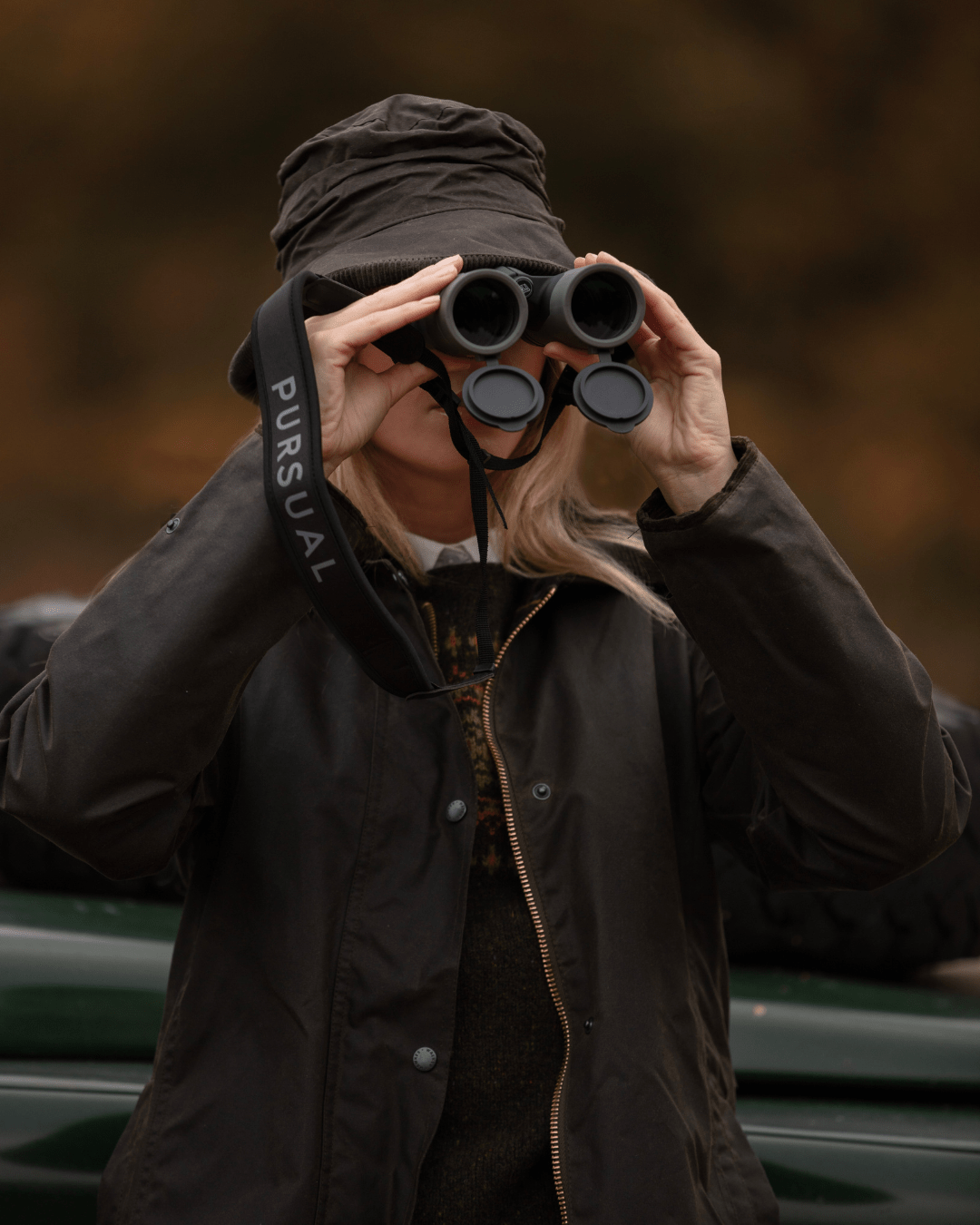
So you're ready to take your outdoor adventures to the next level and invest in a pair of binoculars. But with so many options out there, how do you choose the right one for you? Don't worry, we've got you covered with some helpful tips to make the decision easier.
What to Consider Before Buying
Before making a purchase, think about how you will be using the binoculars. Will you be birdwatching, hiking, or attending sporting events? Different activities may require different features, so it's important to consider your specific needs.
Factors to Keep in Mind
When choosing your first pair of binoculars, there are a few key factors to keep in mind:
- Magnification: The first number in the binocular specifications indicates the magnification power. For general use, 7x to 10x magnification is recommended.
- Objective Lens Size: The second number in the specifications refers to the diameter of the objective lens. A larger lens size allows more light to enter, resulting in a brighter image.
- Field of View: This is the width of the area you can see through the binoculars. A wider field of view is beneficial for activities like birdwatching.
- Prism Type: There are two main types of prisms in binoculars: Porro and Roof. Porro prisms provide better depth perception, while Roof prisms are more compact and lightweight.
- Eye Relief: This is the distance between your eyes and the eyepiece where you can still see the full field of view. It's important, especially for eyeglass wearers.
What Do the Numbers Mean
Understanding the numbers on a pair of binoculars can be confusing, but it's essential for making an informed decision. Here's a breakdown of what the numbers mean:
- Magnification: A 10x magnification means an object will appear 10 times closer than it would to the naked eye.
- Objective Lens Size: For example, if the lens size is 42mm, it means the diameter of the objective lens is 42 millimeters.
- Field of View: This is typically measured in feet at a distance of 1,000 yards. A wider field of view allows you to see more of the surrounding area.
By considering these factors and understanding what the numbers mean, you'll be well-equipped to choose the perfect pair of binoculars for your outdoor adventures. Happy exploring!