
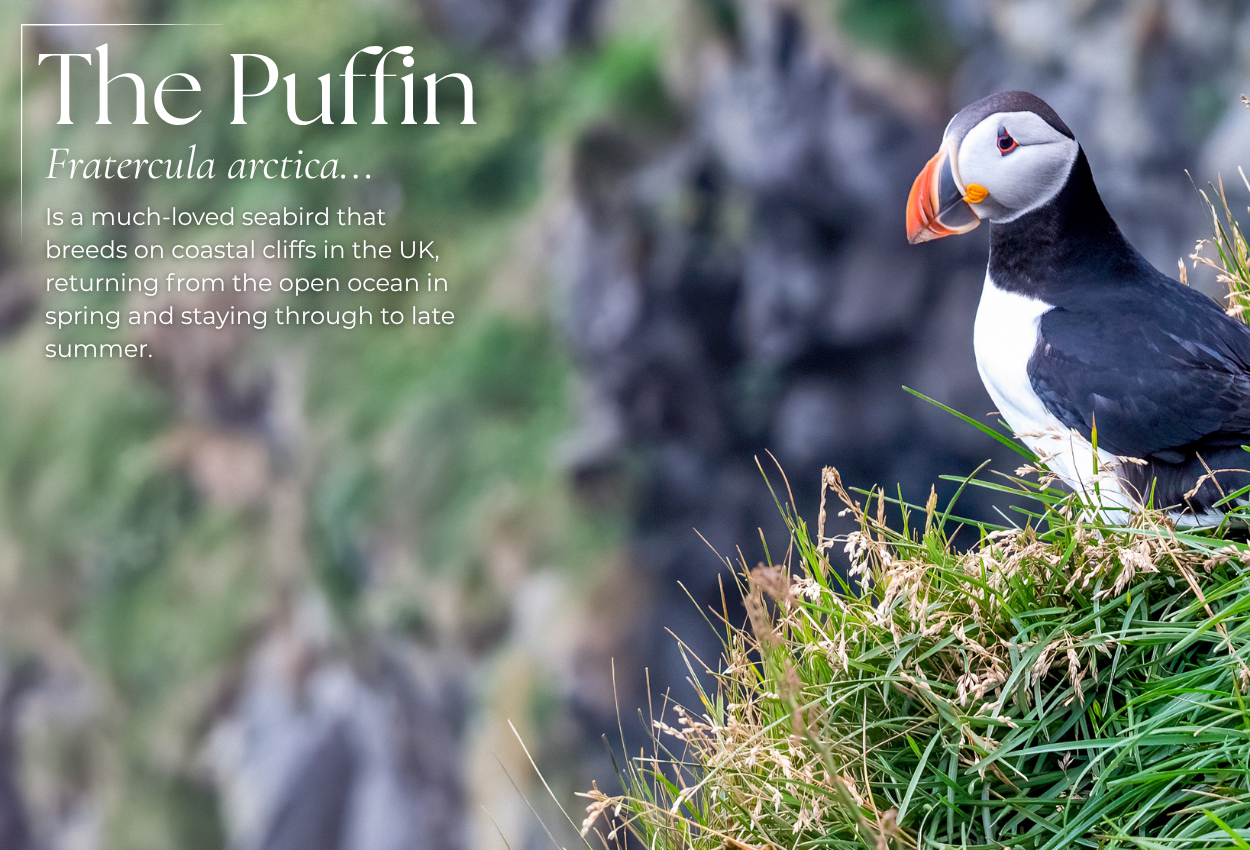
Every summer, one of Britain's most beloved seabirds returns to our coastlines — and June is the perfect month to see them. Atlantic puffins spend most of their lives far out at sea, but from late spring through to early August they come ashore to breed, making them surprisingly accessible to patient wildlife watchers armed with a good pair of binoculars.
Why June Is the Best Month
By June, puffin colonies are in full swing. Adults are busy ferrying sand eels back to their burrows to feed hungry chicks (called pufflings), which means constant activity — birds arriving, departing, squabbling, and displaying. It's one of the most rewarding wildlife spectacles the UK has to offer, and you don't need to travel far to experience it.
The UK's Top Puffin Spots
Skomer Island, Pembrokeshire
Home to one of the largest puffin colonies in southern Britain, Skomer hosts around 40,000 puffins each summer. Day trips run from Martin's Haven and places are limited, so book well in advance. The island is car-free and the puffins are remarkably unbothered by visitors — you can often get within a few metres without disturbing them.
Bempton Cliffs, Yorkshire
The RSPB reserve at Bempton is the best mainland puffin site in England. The dramatic chalk cliffs also host gannets, razorbills, and guillemots, making it a full seabird spectacle. The clifftop viewing platforms are ideal for scanning with binoculars — a 10x42 gives you excellent reach across the colony.

Farne Islands, Northumberland
The Farnes are one of the UK's great wildlife destinations. Boat trips from Seahouses land on Inner Farne and Staple Island, where puffins nest in the grass just feet from the path. Arctic terns also breed here in huge numbers — bring a hat.
Handa Island, Sutherland
Remote and spectacular, Handa Island is reached by a short ferry from Tarbet. The Great Stack — a towering sea stack — holds thousands of guillemots and razorbills, with puffins nesting on the clifftops above. This is wild Scotland at its finest.
Sumburgh Head, Shetland
If you're making the trip to Shetland, Sumburgh Head is unmissable. Puffins nest in burrows right beside the lighthouse path, and the views across the sea are extraordinary. Shetland also offers the chance to see orcas, otters, and red-throated divers in the same trip.
What to Look For
Puffins are unmistakable in summer plumage — their vivid orange-and-yellow bills and bright orange feet make them look almost cartoonish. Watch for them landing with beaks full of sand eels, or standing sentinel at burrow entrances. In flight they're fast and direct, with rapid wingbeats that belie their stocky build.

Choosing the Right Binoculars
For seabird watching, magnification matters. A 10x42 binocular gives you the reach to pick out birds on distant cliff ledges or follow them in flight across open water, while the 42mm objective lens gathers enough light for comfortable viewing even on overcast coastal days — which, let's be honest, is most of them.
That said, if you're tracking puffins in flight — those rapid, whirring wingbeats are notoriously hard to follow — an 8x42 is worth considering. The lower magnification gives you a wider field of view, making it much easier to pick up and stay on a fast-moving bird. Our PROTOBIRD 8x42 is ideal for exactly this — bright, wide, and built for active bird tracking.
For scanning cliff faces and distant ledges, the extra reach of a 10x pays off. Our ECHOBIRD 10x42 and PROTOBIRD 10x42 are both built for exactly these conditions — nitrogen-purged, fog-proof, and sealed against the elements.

A Few Tips for the Visit
- Arrive early — puffins are most active in the morning and late afternoon
- Stay on marked paths and keep a respectful distance from burrow entrances
- A tripod or monopod helps enormously if you're watching for extended periods
- Check tide times if you're visiting coastal reserves — access can be affected
- Book island ferry trips well ahead; popular sites sell out fast in June
Puffin season is fleeting — by August most birds have returned to sea and won't be seen again until next spring. If you've been meaning to go, June is your window. Get out there.


Leave a comment
This site is protected by hCaptcha and the hCaptcha Privacy Policy and Terms of Service apply.