
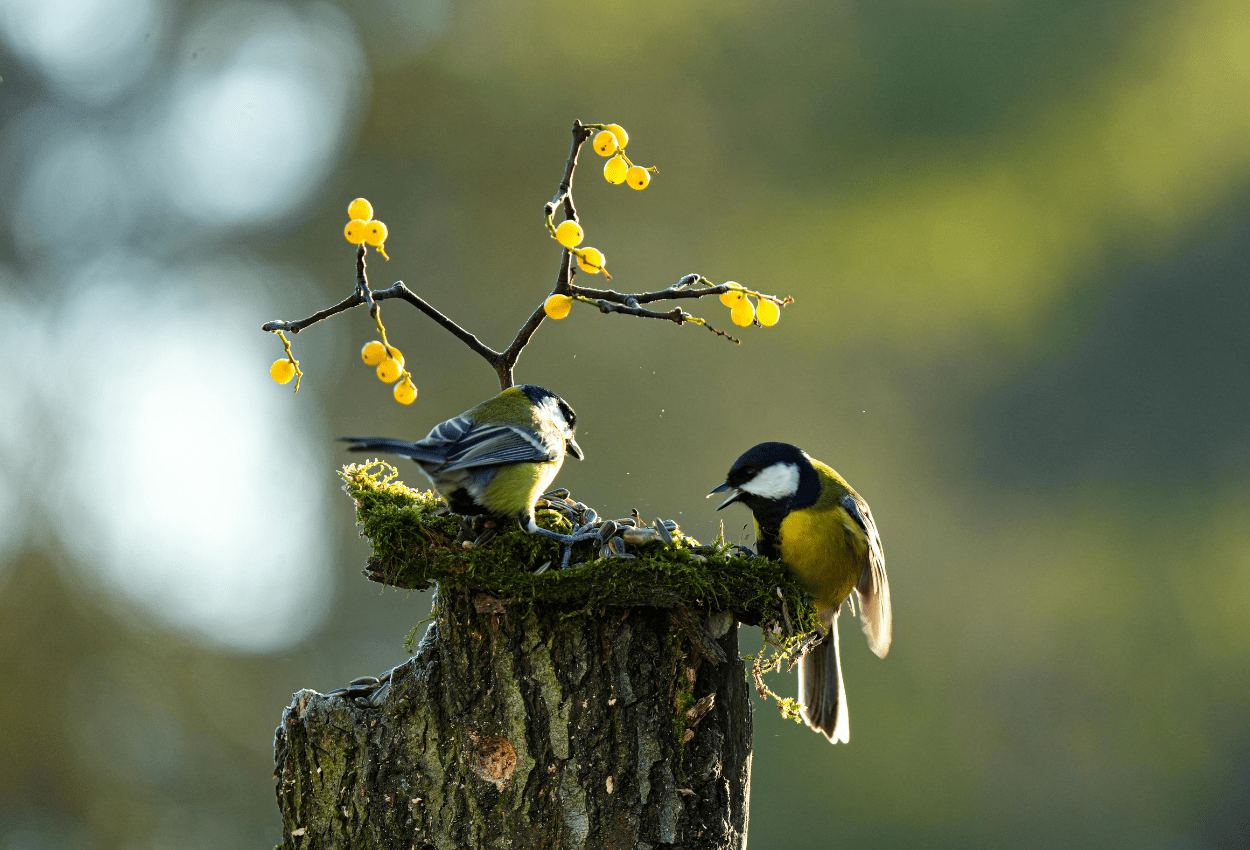
Spring is Here: The Best Time for Birdwatching
As March unfolds across the UK, one of nature's most spectacular events begins: spring bird migration. Millions of birds return from their winter grounds in Africa and southern Europe, offering birdwatchers an incredible opportunity to observe species that have been absent for months. Whether you're hoping to spot your first wheatear on the coast or catch warblers arriving in woodland habitats, having the right binoculars can transform your experience from frustrating glimpses to memorable encounters.
Why Spring Migration Demands Quality Optics
Spring birdwatching presents unique challenges that make your choice of binoculars particularly important:
- Fast-moving targets: Migrating birds are often active and quick, requiring binoculars that focus rapidly and track smoothly
- Variable lighting: Early morning and late evening are prime migration times, demanding excellent light transmission
- Distance viewing: Coastal watches and open habitats mean you'll often be viewing birds at considerable distances
- Fine detail matters: Identifying similar species requires sharp, colour-accurate optics to spot subtle plumage differences

Key Specifications for Spring Birdwatching
Magnification: The 8x vs 10x Decision
8x magnification offers a wider field of view, making it easier to locate and follow fast-moving birds. The steadier image is ideal for handheld use during long observation sessions. Perfect for woodland birding and general use.
10x magnification brings distant birds closer, excellent for coastal watches, estuaries, and open farmland where migrants often rest. The trade-off is a narrower field of view and slightly shakier image without support.
Our recommendation: If you're new to birdwatching or focus on woodland and garden birds, start with 8x. For coastal migration hotspots and experienced observers, 10x offers valuable extra reach.
Objective Lens Size: Balancing Light and Weight
The second number in binocular specifications (like 8x32) indicates the objective lens diameter in millimetres. Larger lenses gather more light but add weight:
- 32mm: Lightweight and portable, adequate for daytime use but limited in dawn/dusk conditions — see the ECHOBIRD 8x32 for a compact option
- 42mm: The sweet spot for serious birdwatchers – excellent light gathering without excessive weight
- 50mm+: Maximum light transmission for low-light conditions, but significantly heavier for extended use

Glass Quality: Why ED Matters
Extra-low Dispersion (ED) glass reduces chromatic aberration – the colour fringing that can appear around high-contrast subjects. When you're trying to identify a warbler backlit against bright sky, ED glass delivers the sharp, colour-accurate image you need. This is where beginner and advanced binoculars truly differ in performance.
Choosing Your Tier: Beginner to Advanced
Beginner Tier: Building Your Foundation
If you're new to birdwatching or exploring the hobby, our FOREFRONT range offers solid optical performance without the premium investment. Look for:
- 8x32 or 10x42 configuration for versatility
- Fully multi-coated optics for good light transmission
- Comfortable eye relief if you wear glasses
- Durable, waterproof construction for UK weather
These will serve you well for garden birding, local nature reserves, and learning the fundamentals of bird identification.
Intermediate Tier: Serious Observation
As your skills develop and you venture to migration hotspots, our PROTOBIRD 8x42 and PROTOBIRD 10x42 deliver noticeable improvements:
- ED glass for sharper, clearer images
- Enhanced coatings for better low-light performance
- Improved build quality for years of reliable use
- Better close focus for butterflies and dragonflies between bird sightings
This tier represents the best value for dedicated birdwatchers who spend regular time in the field.
Advanced Tier: Premium Performance
For serious birders and those who demand the absolute best, the ECHOBIRD 10x42 offers:
- Fluorite or HD glass for ultimate clarity
- Exceptional colour fidelity and contrast
- Superior low-light performance for dawn and dusk watches
- Precision engineering for effortless focusing
- Extended warranties reflecting build quality
The difference becomes apparent when identifying distant waders on mudflats or picking out subtle features on a rare vagrant.

Spring Migration Hotspots in the UK
Once you've chosen your binoculars, these locations offer exceptional spring migration watching:
- Norfolk Coast: Cley Marshes and Titchwell RSPB for waders, terns, and coastal migrants
- Shetland Islands: Britain's premier location for rare spring vagrants
- Portland Bill, Dorset: Seabird passage and migrant landbirds
- Spurn Point, Yorkshire: Funnels migrants along the coast
- Minsmere RSPB, Suffolk: Diverse habitats attracting varied species
Essential Tips for Spring Birdwatching
Timing is everything: Early morning, 2-3 hours after dawn, often sees peak activity as overnight migrants drop in to feed and rest.
Watch the weather: Easterly winds in spring can bring continental migrants to the east coast. Overcast conditions after clear nights can cause "falls" of grounded migrants.
Learn your calls: Many migrants announce their arrival with distinctive songs and calls before you see them.
Be patient: Migration is unpredictable. Some days are quiet; others bring unexpected rewards.
Caring for Your Binoculars
Spring weather can be harsh on optics. Protect your investment:
- Use rain guards and lens caps when not actively observing
- Clean lenses with proper microfibre cloths, never your shirt
- Store in a dry environment; use silica gel packets if needed
- Have neck straps properly adjusted to prevent drops
Ready to Experience Spring Migration?

The return of summer visitors is one of the UK's great natural spectacles. With the right binoculars matched to your experience level and birding style, you'll be equipped to make the most of every sighting. Whether you're watching your first willow warbler or adding a rare vagrant to your life list, quality optics turn fleeting moments into lasting memories.
Explore our range of binoculars designed for birdwatchers at every level, and get ready for an unforgettable spring migration season.


Leave a comment
This site is protected by hCaptcha and the hCaptcha Privacy Policy and Terms of Service apply.