
Understanding Your Optics Journey
Every birder, wildlife enthusiast, and outdoor adventurer reaches a point where their current optics no longer match their growing skills and ambitions. Knowing when and why to upgrade can transform your viewing experience and help you get the most from every outing.
The journey from casual observer to dedicated enthusiast is marked by increasing demands on your equipment. What seemed perfectly adequate when you started may now feel limiting as your eye becomes more trained and your expectations grow. Understanding the upgrade path helps you make informed decisions about when to invest in better optics and what improvements you can realistically expect.
Signs It's Time to Upgrade

1. You've Outgrown Your Skill Level
If you started with entry-level binoculars and now find yourself birding regularly, attending guided walks, or planning dedicated wildlife trips, your expertise has likely surpassed your equipment. Mid-range and premium optics offer the clarity and performance that experienced users can truly appreciate.
As your identification skills improve, you'll notice subtle field marks and behaviours that entry-level optics struggle to reveal. The difference between a sharp, contrasty image and a softer one becomes increasingly important when you're trying to distinguish between similar species or observe fine details in plumage, fur, or behaviour.
2. Low-Light Performance Matters More
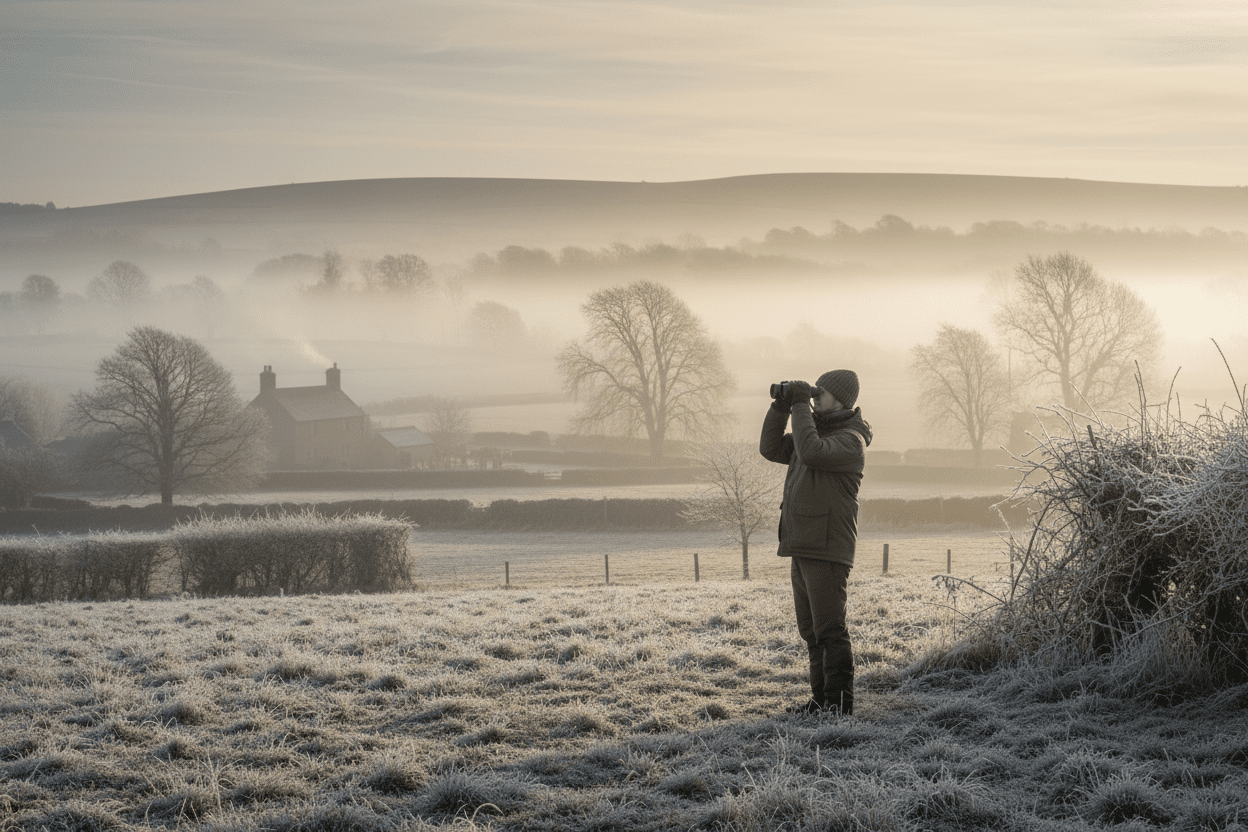
Early morning and dusk are prime wildlife viewing times. If you're frustrated by dim, unclear images during these golden hours, upgrading to optics with better light transmission and larger objective lenses will reveal details you're currently missing.
Quality optics can extend your effective viewing time by 30-45 minutes at either end of the day. This isn't just about brightness - it's about maintaining colour fidelity, contrast, and sharpness when light levels drop. Premium glass and advanced coatings make a dramatic difference in these challenging conditions, often revealing wildlife activity that remains invisible through lesser optics.
3. Eye Fatigue After Extended Use
Quality optics reduce eye strain during long viewing sessions. If you experience headaches or fatigue after an hour in the field, better optical coatings, improved ergonomics, and superior build quality can make all-day use comfortable.
Eye fatigue often results from your eyes working harder to compensate for optical deficiencies - slight misalignment, chromatic aberration, or poor edge sharpness. Premium binoculars are precisely collimated and maintain sharpness across the entire field of view, allowing your eyes to relax rather than constantly refocusing and adjusting.
4. You're Travelling for Wildlife Experiences
When you're investing in safari trips, birding tours, or mountain expeditions, your optics become essential equipment rather than accessories. Premium binoculars ensure you don't miss critical moments during once-in-a-lifetime experiences.
Consider the investment perspective: if you're spending thousands on a wildlife safari or specialist birding tour, having optics that can't keep pace with the opportunities feels like a false economy. Professional guides often remark that the quality of your optics directly impacts the quality of your experience on these trips.
5. Weather Resistance Becomes Critical
If you're venturing out in all weather conditions, proper waterproofing and fog-proofing aren't luxuries - they're necessities. Mid-range and premium optics offer genuine weather sealing with nitrogen or argon purging, ensuring your binoculars perform reliably whether you're in Scottish mist, tropical humidity, or sudden downpours.
6. You Notice Chromatic Aberration
Once you become aware of colour fringing around high-contrast edges (like a bird silhouetted against bright sky), it's difficult to ignore. This chromatic aberration is significantly reduced in optics using ED (Extra-low Dispersion) or HD glass, which becomes standard in mid-range and premium models.
What You Gain with Each Upgrade Tier

Entry to Mid-Range (£150-500)
Moving from basic to intermediate optics typically brings improved optical coatings for better light transmission, more durable weatherproofing, better close focus for butterflies and nearby subjects, and enhanced colour accuracy and contrast.
This upgrade tier often represents the best value for developing enthusiasts. You'll notice immediate improvements in image brightness and clarity, particularly in challenging light. Build quality takes a significant step up, with metal chassis replacing plastic, better rubber armouring, and more precise focusing mechanisms. Many mid-range models like our ECHOBIRD 8x32 ED Binoculars now incorporate ED glass elements, dramatically reducing chromatic aberration.
The close focus distance typically improves from 3-4 metres down to 2 metres or less, opening up opportunities for butterfly watching, dragonflies, and detailed observation of nearby subjects. Field of view often increases, making it easier to locate and track moving subjects.
Mid-Range to Premium (£500+)
Premium optics deliver exceptional low-light performance with high-quality glass, superior edge-to-edge sharpness across the entire field of view, advanced coatings that virtually eliminate glare and colour fringing, robust construction built to last decades, and noticeably better ergonomics for extended comfort.
At this level, you're investing in the finest optical glass available - often fluorite or HD glass elements that provide stunning colour fidelity and resolution. Our PROTOBIRD and FOREFRONT ranges exemplify this tier, with the difference most apparent in demanding conditions: backlit subjects, dappled woodland light, or the subtle colours of distant birds.
Premium binoculars maintain sharpness right to the edge of the field of view, whereas even good mid-range optics may show some softness in the outer 20-30% of the image. This edge performance matters more than you might expect, particularly when scanning or when a bird moves to the periphery of your view.
Build quality reaches heirloom standards. These are binoculars designed to last 20-30 years of regular use, often with transferable warranties. The focusing mechanism is silky-smooth and precise, ergonomics are refined through extensive field testing, and every detail - from eyecup design to the balance and weight distribution - is optimised for extended use.
Understanding Optical Specifications
Magnification and Objective Lens Size
The classic 8x32 or 10x42 configurations remain popular for good reason. The 42mm objective lens provides excellent light-gathering while remaining portable, and 8x or 10x magnification offers the best balance of detail, field of view, and image stability for handheld use.
Higher magnification isn't always better - 10x magnification shows more detail but reduces field of view and makes hand shake more apparent. For general wildlife watching and birding, 8x often proves more versatile, whilst 10x suits those who frequently observe distant subjects or have particularly steady hands.
Glass Quality and Coatings
The quality of glass elements and their coatings has the single biggest impact on image quality. ED (Extra-low Dispersion) and HD (High Definition) glass reduces chromatic aberration, whilst advanced multi-coatings on every air-to-glass surface maximise light transmission and minimise reflections.
Premium optics achieve 90-95% light transmission, compared to 75-85% for entry-level models. This difference is immediately visible in brightness, contrast, and colour saturation, particularly in low light.
Making the Right Choice

Assess Your Usage Patterns
Consider how often you use your optics, the conditions you typically encounter, whether you're a casual observer or dedicated enthusiast, and your planned activities over the next few years.
Be honest about your usage frequency and commitment level. If you're out birding or wildlife watching multiple times per week, investing in quality optics makes perfect sense. If you use binoculars occasionally for casual observation, mid-range optics may serve you perfectly well for many years.
Try Before You Upgrade
If possible, test different models in real-world conditions. Compare your current optics side-by-side with potential upgrades to see the tangible differences in clarity, brightness, and comfort.
Many specialist retailers offer demonstration models or field testing opportunities. Take advantage of these - the difference between specifications on paper and real-world performance can be surprising. Pay attention to ergonomics as well as optical quality: binoculars that feel awkward or unbalanced will see less use, regardless of their optical excellence.
Consider Long-Term Value
Premium optics are an investment that can last 20+ years with proper care. When you calculate cost per use over decades, the value proposition becomes clear. Quality optics also retain resale value better than budget models.
A £800 pair of binoculars used regularly for 20 years costs £40 per year - less than many people spend on a single day's outing. Premium optics from respected manufacturers can retain 50-70% of their value even after a decade of use, whereas entry-level models depreciate rapidly.
Think About Your Upgrade Path
Consider whether this will be your final upgrade or a stepping stone. Some enthusiasts prefer to move gradually through the tiers, whilst others find it more economical to save longer and jump directly to premium optics that will serve them for life.
When NOT to Upgrade
Upgrading isn't always necessary. Stick with your current optics if you're still learning the basics and building viewing skills, you use binoculars only occasionally for casual use, your current equipment meets all your needs comfortably, or budget constraints make an upgrade impractical right now.
There's no shame in using entry-level or mid-range optics if they're serving you well. The best binoculars are the ones you actually use, and sometimes a lighter, less expensive pair sees more field time than premium optics that you're nervous about taking into rough conditions.
If you're still developing your identification skills and learning what to look for, you may not yet be able to fully appreciate the improvements that premium optics offer. In this case, investing in field guides, courses, or guided walks might provide better value than an optical upgrade.
Caring for Your Investment
Whichever tier you choose, proper maintenance ensures longevity. Clean lenses regularly with appropriate materials, store in a dry environment when not in use, use neck straps and cases to prevent drops, and take advantage of warranty services for any issues.
Invest in a quality neck strap or harness - dropping your binoculars is the most common cause of damage. Use lens caps when not actively viewing, and clean lenses with proper microfibre cloths and lens cleaning solution rather than clothing or tissues which can scratch coatings.
Store binoculars in a dry environment with desiccant packs if you live in a humid climate. Even waterproof binoculars can develop internal fogging if stored in damp conditions for extended periods. Annual servicing or checks can identify and address minor issues before they become serious problems.
Your Upgrade Path

The right time to upgrade is when your passion and usage have grown beyond your current equipment's capabilities. Whether you're moving from entry-level to intermediate optics or stepping up to premium performance, the improvement in your viewing experience will reignite your enthusiasm for every outdoor adventure.
Trust your instincts - if you find yourself frustrated by your current optics or wondering what you're missing, it's probably time to explore your options. The upgrade to quality optics often marks a turning point in people's wildlife watching journey, opening up new levels of detail and enjoyment that weren't previously accessible.
Ready to explore your options? Browse our range of binoculars and monoculars designed for every experience level, or contact us for personalised recommendations based on your specific needs.

Leave a comment
This site is protected by hCaptcha and the hCaptcha Privacy Policy and Terms of Service apply.