
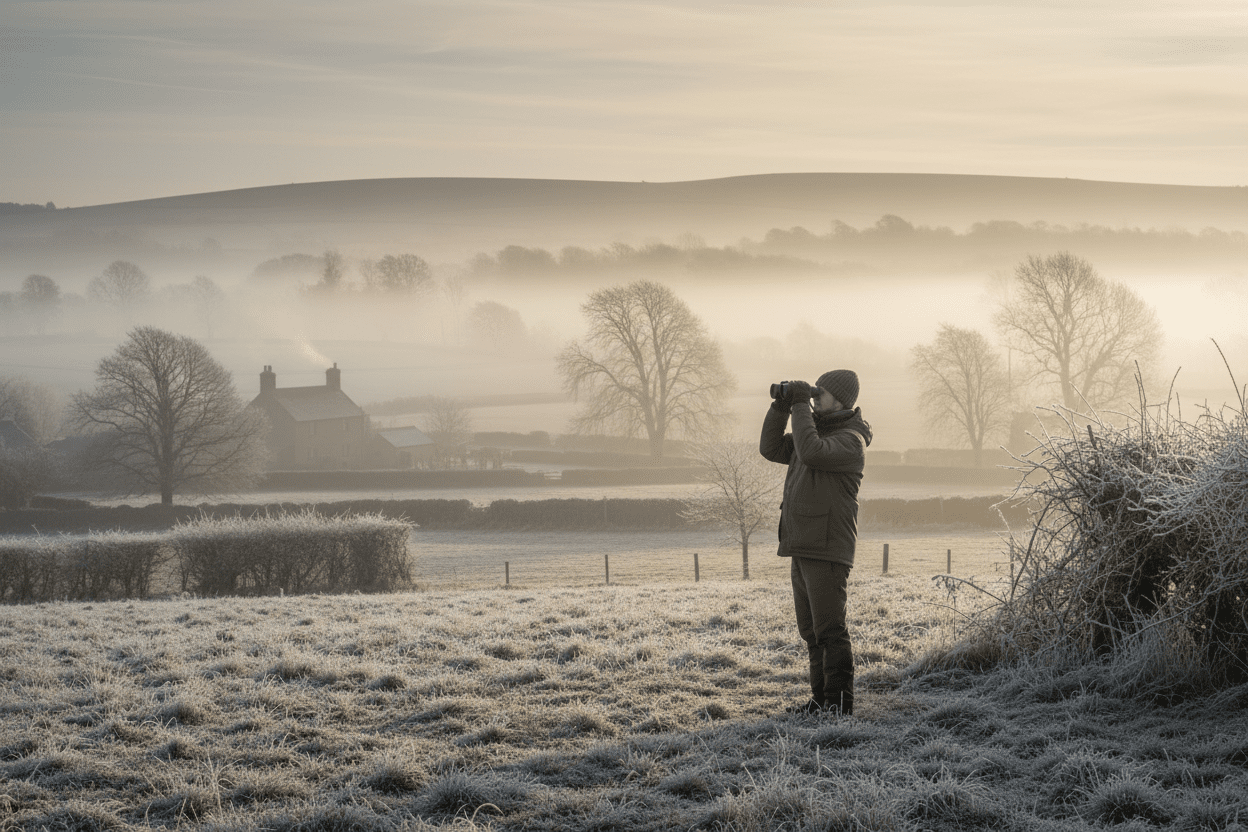
January transforms the British countryside into a haven for birdwatchers. As temperatures drop and food becomes scarce across northern Europe, thousands of winter visitors arrive on our shores, joining our resident species for one of the most rewarding birdwatching seasons of the year.
Winter Visitors to Watch For
Fieldfares and Redwings
These thrush family members migrate from Scandinavia in huge numbers each winter. Fieldfares are larger, with grey heads and rumps, while redwings are smaller with distinctive creamy eye-stripes and red flanks. Look for them in hedgerows and fields, often feeding on berries in mixed flocks. Your binoculars will help you distinguish the subtle plumage details that separate these species from our resident song thrushes and blackbirds.
Waxwings
Perhaps the most spectacular winter visitor, waxwings arrive from northern forests when their natural food supply runs low. These pink-brown birds sport punk-like crests and waxy red wing tips. They're often found in urban areas, particularly around supermarket car parks with berry-bearing shrubs. Numbers vary dramatically year to year—some winters bring huge 'irruptions' while others see very few.
Whooper and Bewick's Swans
These elegant Arctic breeders spend winter on British wetlands and flooded fields. Larger than our resident mute swans, whoopers have yellow and black bills, while the smaller Bewick's swans show less yellow. Quality optics are essential for identifying these species at distance across large bodies of water.
Brent Geese
Dark-bellied brent geese arrive from Siberia to winter on our estuaries and coastal marshes. Smaller and darker than other geese, they're best observed with binoculars that perform well in low light—January days are short, and dawn and dusk often provide the best viewing opportunities.
Quick Identification Guide: Key Winter Visitors
| Species | Size | Key Features | Where to Find |
|---|---|---|---|
| Fieldfare | 25cm | Grey head and rump, speckled breast, chestnut back | Hedgerows, fields, berry bushes |
| Redwing | 21cm | Creamy eye-stripe, red flanks, smaller than fieldfare | Hedgerows, fields, often with fieldfares |
| Waxwing | 18cm | Pink-brown, prominent crest, red wing tips, yellow tail band | Urban areas, supermarket car parks, berry trees |
| Whooper Swan | 140-165cm | Large yellow and black bill, straight neck posture | Wetlands, reservoirs, flooded fields |
| Brent Goose | 56-61cm | Small, dark goose with white neck patch | Estuaries, coastal marshes, mudflats |
Resident Species in Winter Plumage
Don't overlook our year-round residents. Many British birds look quite different in winter:
- Black-headed Gulls lose their chocolate-brown summer hoods, showing just a dark ear spot
- Starlings develop more prominent white spots, creating a spangled appearance
- Goldfinches gather in large flocks called 'charms' to feed on seed heads in winter fields
Where to Look
January birdwatching rewards those who know where to look:
- Estuaries and coastal marshes for waders, wildfowl, and geese
- Farmland and hedgerows for thrushes and finch flocks
- Woodland edges for woodpeckers, nuthatches, and treecreepers
- Gardens for increased activity around feeders as natural food becomes scarce
Top UK Locations for Winter Birdwatching
Some of the UK's best winter birdwatching sites offer reliable sightings and excellent facilities:
- RSPB Minsmere, Suffolk - Outstanding for wildfowl, raptors, and coastal species with excellent hides and accessibility
- Slimbridge WWT, Gloucestershire - World-famous for swans and geese, including Bewick's swans that winter here from Siberia
- Titchwell Marsh RSPB, Norfolk - Coastal reserve excellent for waders, ducks, and occasional waxwing irruptions in nearby villages
- Leighton Moss RSPB, Lancashire - Reed beds and wetlands attracting bitterns, marsh harriers, and large numbers of wildfowl
- Loch Leven, Scotland - Internationally important for wintering wildfowl with thousands of geese and ducks
Choosing the Right Optics for Winter Conditions
Winter birdwatching presents unique challenges. Low light levels, shorter days, and often grey skies demand binoculars with excellent light transmission. Look for models with larger objective lenses (the second number in the specification—such as 42mm in 10x42 binoculars) to gather more light.
Weather resistance is equally important. British winter weather means your optics need to handle rain, mist, and temperature changes without fogging internally. Nitrogen or argon-purged, fully waterproof binoculars are essential for serious winter birding.
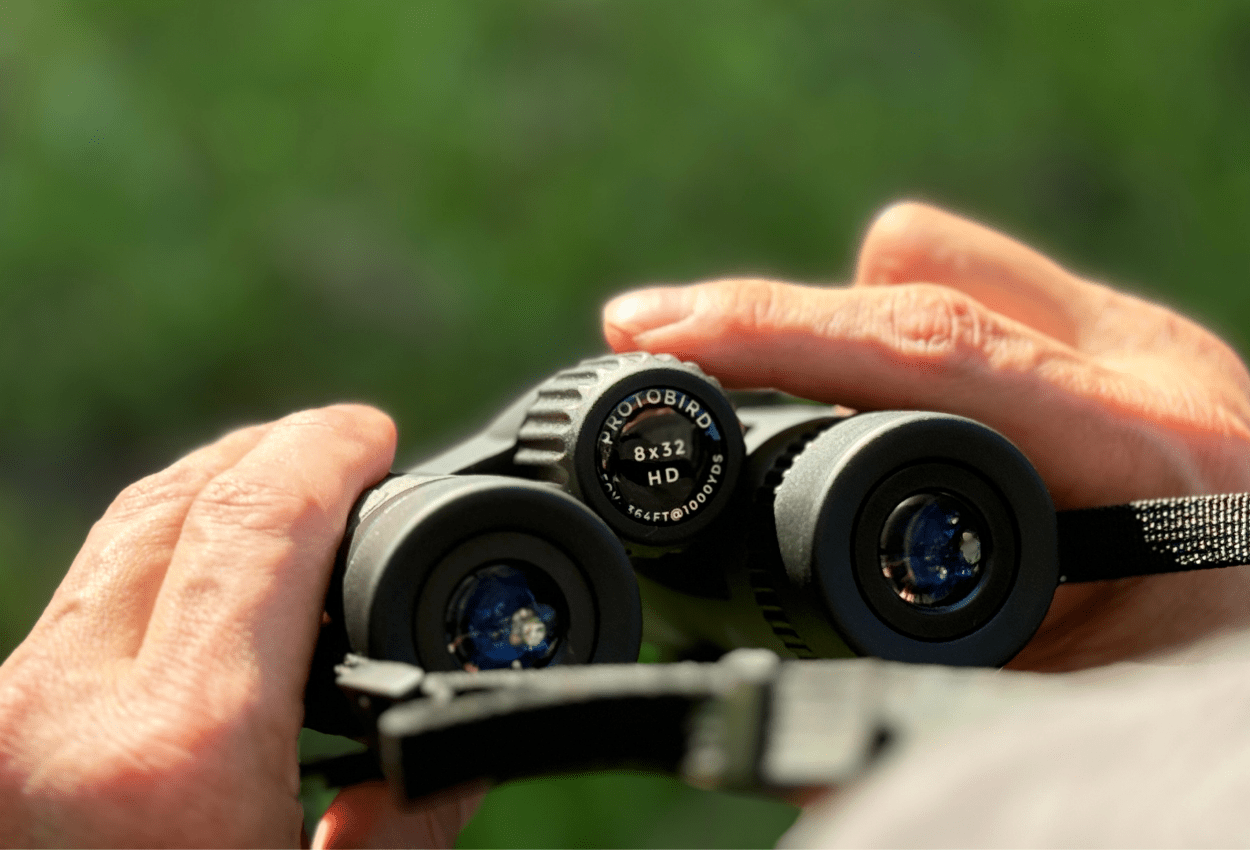
For those new to winter birdwatching, a versatile 8x32 configuration offers the perfect balance of magnification, field of view, and low-light performance. More experienced birders watching distant waterfowl might prefer 10x42 or even 10x50 models for the extra reach.
What to Bring: Winter Birdwatching Essentials
Proper preparation makes the difference between an enjoyable outing and a miserable one:
- Layered clothing - Base layer, insulating mid-layer, and waterproof outer shell. You'll be standing still for extended periods, so dress warmer than you think necessary
- Quality binoculars - Your most important tool. Ensure they're weatherproof and have good low-light performance
- Field guide - A compact UK bird identification guide helps confirm sightings and learn new species
- Notebook and pen - Record sightings, locations, and behaviours. Many birders find this enhances their observation skills
- Warm flask - Hot tea or coffee keeps you comfortable during longer sessions
- Waterproof bag - Protect your equipment and keep spare layers dry
- Hat and gloves - Essential for comfort, but choose gloves that allow you to operate binocular focus wheels
Making the Most of Short Days
With sunrise after 8am and sunset before 5pm in January, timing matters. Many species are most active in the first and last hours of daylight. Dawn visits to wetlands often reveal the most waterfowl, while late afternoon can bring thrush flocks into berry-laden hedgerows.
The low winter sun, when it appears, creates beautiful lighting conditions but can also cause glare. Quality lens coatings make a significant difference in these conditions, reducing glare and improving contrast.
Start Your Winter Birdwatching Journey
January offers some of the year's most exciting birdwatching opportunities. Whether you're hoping to spot your first waxwing, identify distant swans on a reservoir, or simply enjoy the increased garden bird activity, having the right optics transforms the experience from glimpsing movement to observing intricate detail.
Every British winter brings different species in different numbers—that's part of the excitement. With quality binoculars and a willingness to brave the cold, you'll discover a whole new dimension to the British countryside in winter.
Ready to experience winter birdwatching at its best? Explore our range of premium binoculars designed for the demanding conditions of British winter birding, all backed by our comprehensive 10-year warranty.

Leave a comment
This site is protected by hCaptcha and the hCaptcha Privacy Policy and Terms of Service apply.