
April is one of the most exciting months to be outdoors in the UK. After the quiet of winter, the countryside comes alive — hedgerows fill with birdsong, wildflowers push through the soil, and mammals emerge from their winter routines. Whether you're a seasoned naturalist or just starting out, here's what to look and listen for this month.
Birds: The Big Return
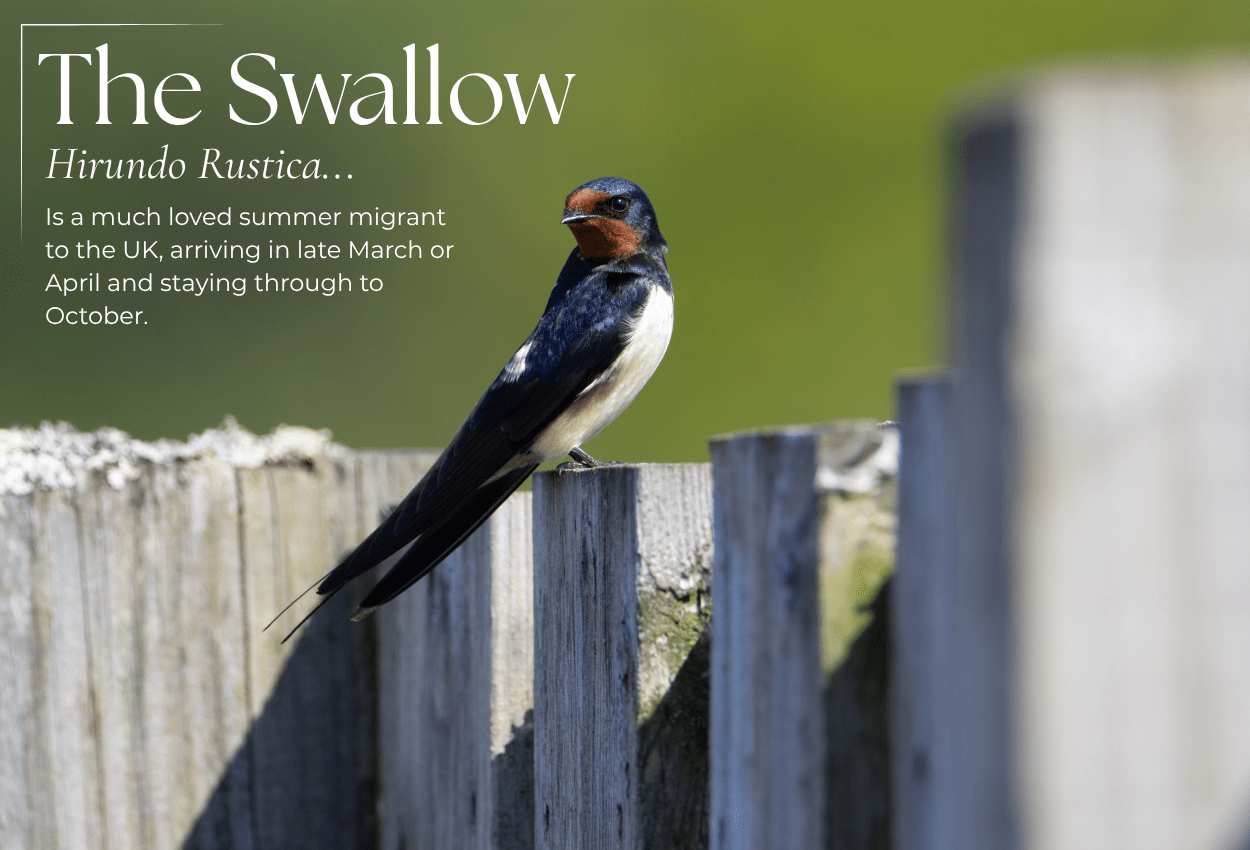
 April marks the height of spring migration, and the skies and hedgerows are busier than at any other time of year. Swallows, house martins, and swifts begin arriving from Africa, filling the air with their acrobatic displays — a sure sign that spring has truly arrived. In woodland, listen for the unmistakable two-note call of the chiffchaff, one of the earliest migrants to return, and the rich, varied song of the blackcap drifting from scrub and garden edges.
By mid-April, the cuckoo — one of the most iconic sounds of a British spring — can be heard across farmland and heathland. Warblers are arriving in force: sedge warblers, garden warblers, and whitethroats all make their presence known with surprisingly loud songs for such small birds.
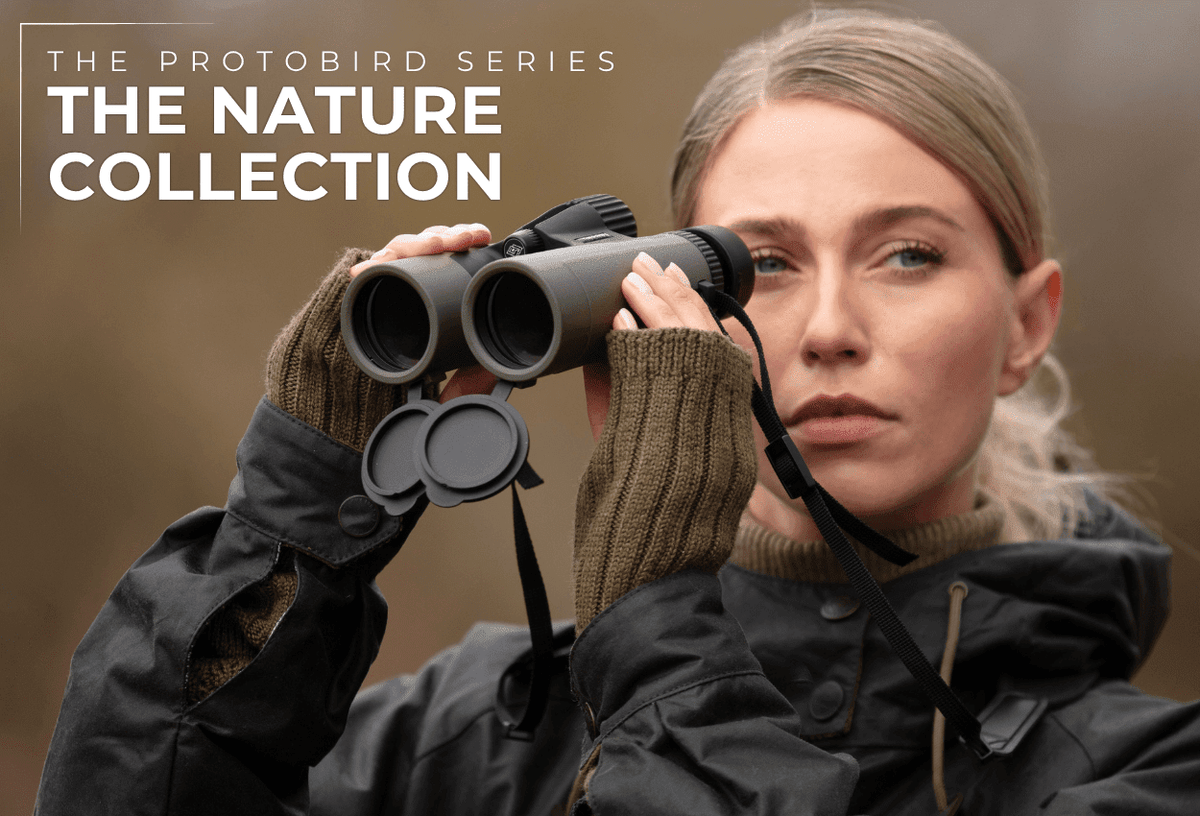
For birdwatchers, a good pair of binoculars is essential. The ECHOBIRD 10x42 is ideal for open landscapes and coastal reserves where distance matters, while the PROTOBIRD 8x42 offers a wider field of view — perfect for tracking fast-moving woodland birds through the canopy. If you're just getting started, the FOREFRONT range gives you excellent clarity without the premium price tag.
Mammals: Out and About
 April is a wonderful time to spot mammals. Roe deer are increasingly visible as they move through fields and woodland edges in the early morning, their russet summer coats beginning to replace the grey of winter. Watch for them at field margins at dawn — patient, quiet observation is usually rewarded.
Brown hares can often be seen in open farmland — their famous 'boxing' behaviour, though more common in March, can still be witnessed early in the month. Unlike rabbits, hares don't bolt immediately; they often sit tight and watch, giving you time to observe them properly through binoculars.
Badgers are becoming more active as the nights shorten, and if you know a sett, April evenings can offer excellent views as cubs begin to emerge for the first time. Otters, too, are more visible in April as they travel between waterways — dawn on a quiet river is one of the best times to look.
Insects and Wildflowers
 The first butterflies of the year are on the wing by April. Brimstones — a vivid sulphur yellow — are often the first you'll see, followed by orange-tips, peacocks, and small tortoiseshells. They're drawn to early wildflowers: lesser celandines carpet woodland floors, wood anemones nod in the breeze, and the first bluebells begin to emerge in sheltered spots by mid-month.
Look out too for early bumblebees — buff-tailed and white-tailed queens are busy establishing new colonies — and the first hoverflies of the year hovering over dandelions in sunny corners. Slow down, look closely, and you'll find a world of detail that rewards patience.
Where to Go
 Some of the best spots for April wildlife watching in the UK include:
- RSPB Minsmere, Suffolk — marsh harriers displaying over the reedbeds, avocets on the scrape, and a steady stream of migrant waders
- The New Forest, Hampshire — fallow and roe deer, woodland birds in full song, and early butterflies on the heathland rides
- Cairngorms National Park, Scotland — red squirrels, ospreys returning to their nests, mountain hares still in white, and displaying capercaillie in the ancient pinewoods
- Bempton Cliffs, Yorkshire — seabird colonies beginning to build, with puffins arriving late April alongside gannets, razorbills, and guillemots
- WWT Slimbridge, Gloucestershire — waders on passage, breeding lapwings, and the chance of a rare migrant on the right day
Tips for a Successful Spring Watch
- Get out early — the first two hours after dawn are the most active for most wildlife, especially birds in full song
- Move slowly and quietly — sudden movements will send most animals into cover; take your time and let the wildlife come to you
- Dress in muted colours — you don't need full camouflage, but avoiding bright colours helps you blend into the landscape
- Use field guides or apps — Merlin (birds) and iNaturalist (everything else) are both excellent free tools for identification in the field
- Keep a notebook — recording what you see, where, and when builds a personal picture of your local wildlife over time
- Invest in good optics — a quality pair of binoculars will transform your experience; even familiar species reveal extraordinary detail up close
 April doesn't last long, but the wildlife it brings sets the tone for the whole season. Get outside, take your time, and see what's waiting to be found.

Leave a comment
This site is protected by hCaptcha and the hCaptcha Privacy Policy and Terms of Service apply.